Topoxte
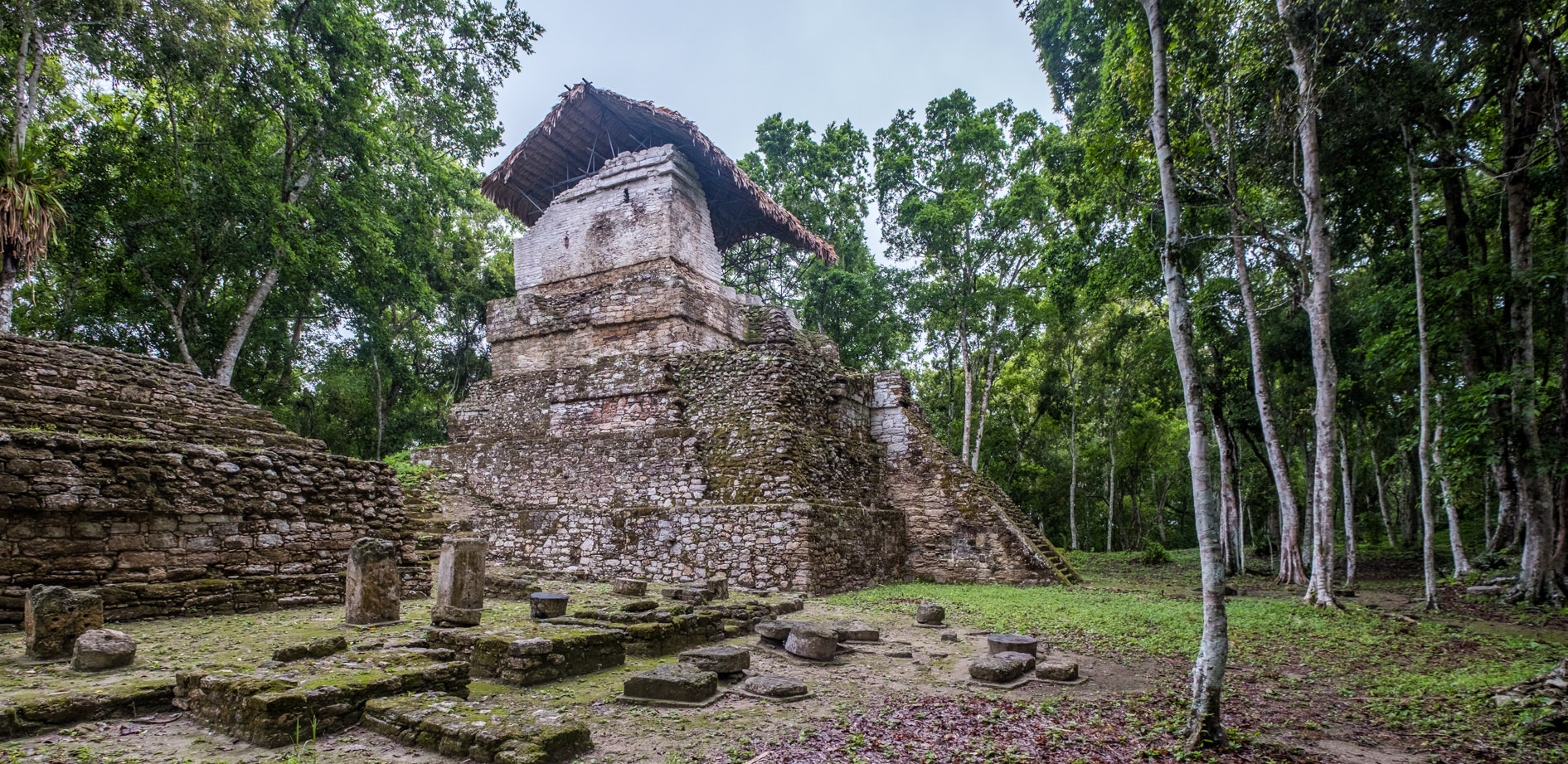
Topoxte
Topoxte – this is a pre-Columbian Maya archaeological site in the Petén Basin in
northern Guatemala with a long occupational history dating as far back as the Middle
Preclassic. As the capital of the Kowoj Maya, it was the largest of the few post-classic
Mesoamerican sites in the area. Topoxté was most relevant during the post-classic era,
when it likely played a role in trade routes between the Mayan highlands and the
Yucatán Peninsula. Three main islands were inhabited during this time, and much
construction took place. It’s thought that the site was left around 1450 AD, although the
exact reason for its abandonment is not known.
Topoxté has been surveyed throughout the 20th century, but it didn’t really start
undergoing restoration until the early 1990s. Several temples and plazas are being
restored, the most notable of which is Temple Pyramid C. This structure is the only
post-classic building left in Petén. It shares similar characteristics with other structures
in the Guatemalan highlands and Yucatán Peninsula—its three levels are topped with a
portal supported by two pillars.